
BEST HOME
RECORDING GEAR
FOR MUSICIANS
IN 2026
You do not need a commercial studio to make serious music anymore. The right interface, microphone, headphones and monitors can turn a bedroom, spare room or rehearsal space into a capable recording setup.
Affiliate disclosure: We may earn a commission from qualifying purchases through retailer links, including Reverb, at no additional cost to you.
THE SHORT VERSION
Focusrite Scarlett 2i2 Gen 4
A strong two-input foundation for singers, guitarists, songwriters and home studios.
Shure SM7B
A proven dynamic microphone for vocals, voice, amplifiers and multipurpose studios.
Audio-Technica AT2020
An affordable condenser built for home and project recording.
Beyerdynamic DT 770 PRO X
Closed-back monitoring headphones designed for recording and critical listening.
KRK Rokit 5 G5
Flexible powered monitoring with multiple voicing modes for a growing studio.
PreSonus Eris 3.5 Gen 2
Compact powered monitors suited to bedrooms, desks and small recording spaces.
Don’t Buy Everything At Once
Start with the equipment that solves the problem you have today. A musician recording vocals and guitar may only need an interface, microphone and headphones before adding studio monitors.
START WITH THE SIGNAL CHAIN
Home recording gets confusing when every piece of studio equipment looks equally important. It isn’t.
For most musicians the basic path is: microphone or instrument → audio interface → computer → headphones or studio monitors.
Spend first on the equipment that improves that path. A dependable interface, a microphone suited to what you record and monitoring you can trust will matter far more than piling up accessories.

Focusrite Scarlett 2i2 Gen 4
The audio interface is the bridge between microphones, instruments and your computer, making it one of the first pieces of equipment worth getting right.
The fourth-generation Scarlett 2i2 provides two microphone preamps, instrument inputs and musician-friendly tools including Auto Gain, Clip Safe and Air mode.
- Two fourth-generation microphone preamps
- Two instrument inputs
- Auto Gain
- Clip Safe
- Air mode
- USB-C connectivity
Best for: singers, guitarists, songwriters, duos, podcasters and musicians building their first serious recording setup.
See listings on Reverb →
Check the exact model, condition, included accessories, shipping and seller return policy before buying. Listings and availability vary.

Shure SM7B
The Shure SM7B has become one of the most recognizable microphones in recording and broadcasting for good reason.
Its dynamic design can be especially useful in home studios where the room is not perfect, while its response controls make it useful on music, voice and amplified instruments.
- Dynamic cardioid design
- Wide-range response
- Bass rolloff control
- Midrange presence control
- Electromagnetic shielding
- Useful on vocals, voice and amplifiers
Best for: vocalists, rock singers, rappers, podcasters and musicians recording in untreated or multipurpose rooms.
See listings on Reverb →
Check the exact model, condition, included accessories, shipping and seller return policy before buying. Listings and availability vary.
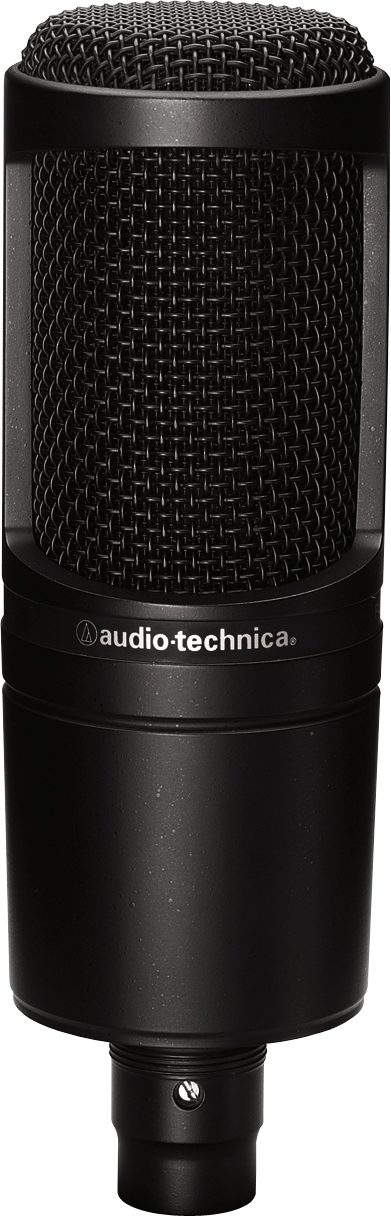
Audio-Technica AT2020
Not every musician needs to begin with a premium microphone. The AT2020 offers a straightforward route into traditional XLR condenser recording.
It is designed for home and project studios and can work on vocals, acoustic instruments and other sources when the recording space is reasonably controlled.
- Cardioid condenser microphone
- Designed for home and project studios
- Useful for vocals and instruments
- Handles relatively high sound levels
- Requires phantom power
Best for: musicians building an affordable first studio, acoustic instruments, vocals and demos.
See listings on Reverb →
Check the exact model, condition, included accessories, shipping and seller return policy before buying. Listings and availability vary.
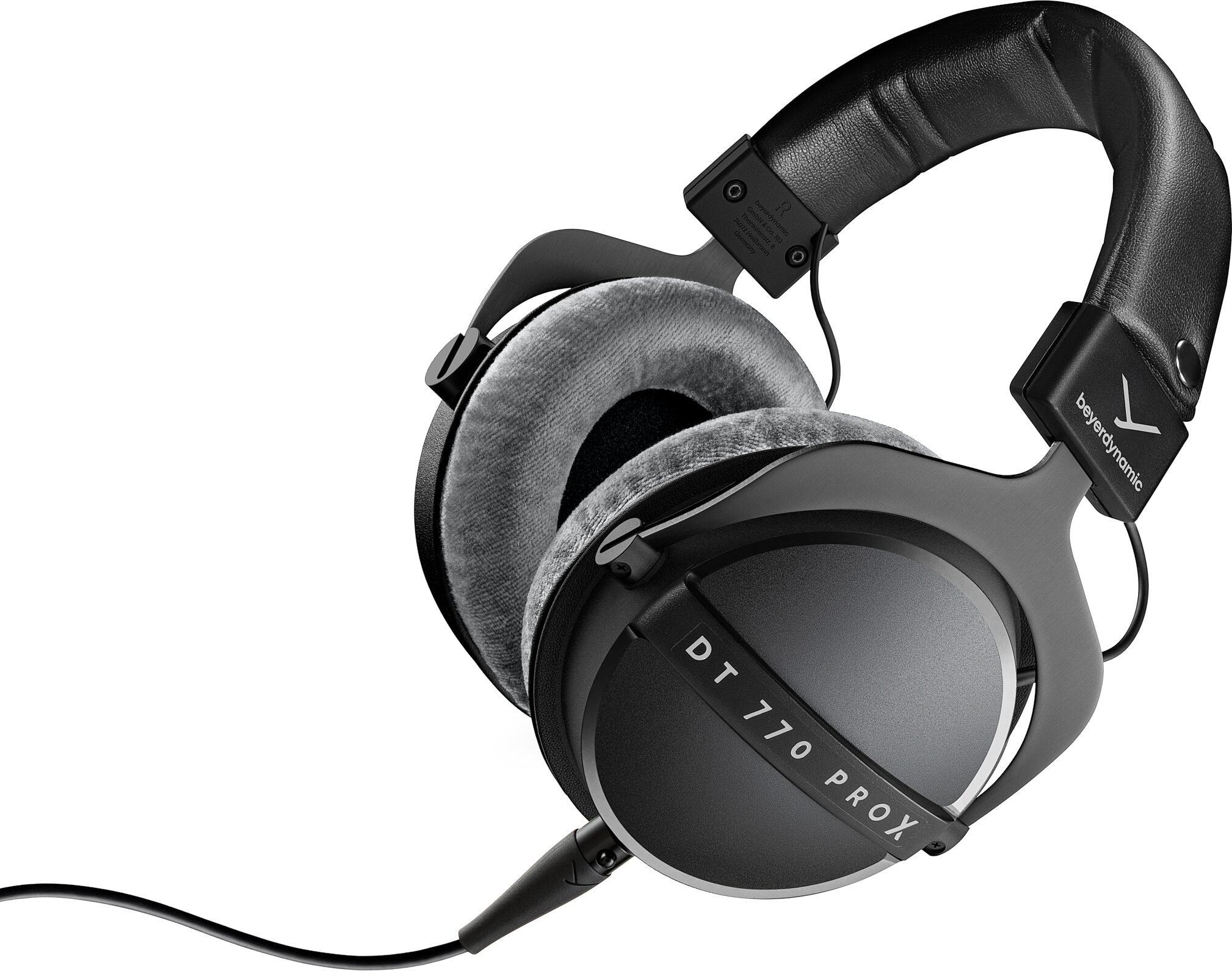
Beyerdynamic DT 770 PRO X
Headphones may be the smartest first monitoring purchase for a home studio because they let you track vocals without speaker bleed and work without disturbing everyone around you.
The DT 770 PRO X combines a closed-back design with 48-ohm STELLAR.45 drivers and a detachable cable.
- Closed-back over-ear design
- 48-ohm impedance
- STELLAR.45 drivers
- Detachable cable
- Designed for recording and monitoring
- Built for extended sessions
Best for: vocal tracking, guitar recording, late-night sessions, editing and musicians working in untreated rooms.
See listings on Reverb →
Check the exact model, condition, included accessories, shipping and seller return policy before buying. Listings and availability vary.
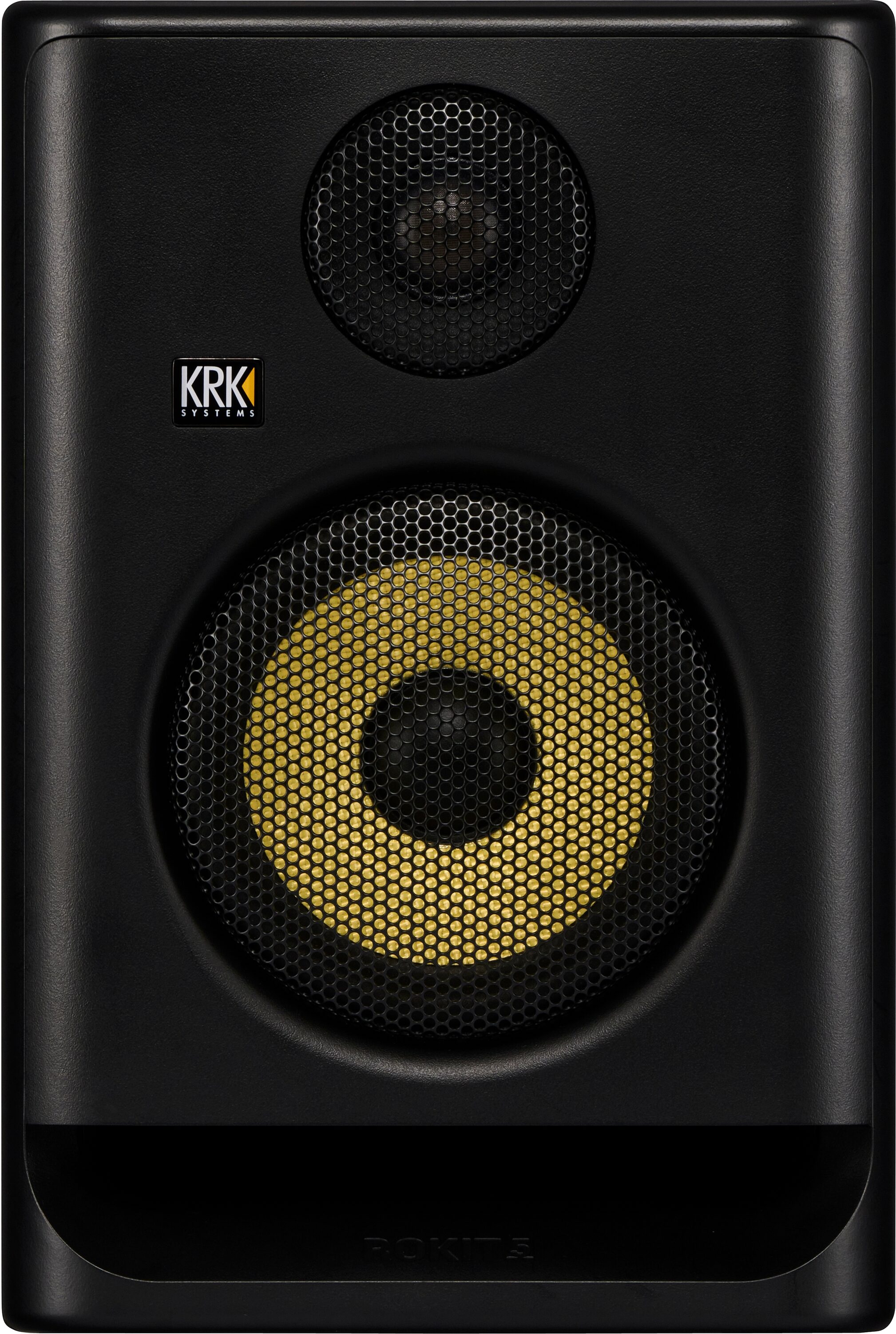
KRK Rokit 5 Generation 5
Once you are ready to make serious mix decisions on speakers, powered studio monitors become one of the most useful upgrades you can make.
The fifth-generation Rokit 5 provides three voicing modes: Mix, Focus and Create, along with room-tuning options designed to help the monitor adapt to the space around it.
- 5-inch powered studio monitor
- Mix mode for neutral monitoring
- Focus mode for midrange analysis
- Create mode for production and casual listening
- Multiple boundary and tuning EQ combinations
- Designed for compact studio environments
Best for: musicians moving beyond headphones and wanting a flexible monitoring setup for a small home studio.
See listings on Reverb →
Check the exact model, condition, included accessories, shipping and seller return policy before buying. Listings and availability vary.

PreSonus Eris 3.5 Gen 2
If your studio is a bedroom desk, large speakers may not make sense. The PreSonus Eris 3.5 Gen 2 is designed around compact workspaces.
The powered pair provides several connection options, integrated headphone output and basic frequency tuning without taking over the room.
- Compact 3.5-inch monitor design
- Powered stereo pair
- Balanced TRS inputs
- RCA and stereo inputs
- Integrated headphone output
- High- and low-frequency controls
Best for: bedroom studios, beginners, small desks and musicians who want affordable speakers without moving to a larger monitor setup.
See listings on Reverb →
Check the exact model, condition, included accessories, shipping and seller return policy before buying. Listings and availability vary.
WHERE SHOULD YOU SPEND FIRST?
Starter Studio
Keep It SimpleStart with an audio interface, one microphone and closed-back headphones. That is enough to make serious progress before buying studio monitors or piles of accessories.
Growing Studio
Add MonitoringOnce your recording chain works reliably, add powered studio monitors and begin improving the acoustics of the room where you make mix decisions.
Serious Home Studio
Upgrade StrategicallyBetter microphones, additional inputs, room treatment and multiple monitoring options make more sense after your basic workflow is already solid.
WHAT DO YOU ACTUALLY NEED?
1. A Computer
Your computer needs to reliably run your recording software, interface drivers and plug-ins.
2. Audio Interface
The interface handles conversion between microphones or instruments and your computer.
3. Microphone
Choose the microphone based on the source you record and the room where you record it.
4. Headphones
Closed-back headphones are particularly useful while tracking because they reduce bleed back into the microphone.
5. Studio Monitors
Monitors become more valuable as you begin making serious mix decisions on speakers.
6. Your Room
Speaker placement, reflections and background noise can affect your recordings as much as another electronics upgrade.
QUESTIONS MUSICIANS ASK
How much gear do I need to record at home?
A computer, audio interface, microphone, headphones and recording software can be enough for a very capable starter setup.
Should I buy headphones or monitors first?
For many beginners, good closed-back headphones make sense first. They work for tracking and do not require a treated room.
Do I need an expensive microphone?
No. The right microphone for your source and room is more important than simply buying the most expensive microphone available.
Is the Scarlett 2i2 enough for a band?
It works well for overdubbing or recording one or two sources at a time. Recording several musicians simultaneously generally requires an interface with more inputs.
Do I need studio monitors to mix?
They are useful, but you can begin creating and learning on good headphones. Eventually, checking mixes across more than one playback system is valuable.
What should I upgrade first?
Upgrade whatever is actually limiting your recordings. Sometimes that is the microphone or interface. Other times the best upgrade is the room itself.
NEED A BETTER MIC?
WE COVER THOSE TOO.
See our dedicated microphone guide for live vocals, home recording, studio vocals and instruments — or head to Gig Finder when you’re ready to take the music out of the studio.
Affiliate Disclosure: Officially Rocks participates in affiliate programs, including the zZounds and Reverb affiliate programs. When you follow certain product links and make a qualifying purchase, Officially Rocks may receive a commission at no additional cost to you. Product specifications, availability and pricing can change. Confirm current product information with the retailer or manufacturer before purchasing.


